How To Make Smoked Brisket Made Easy for Beginners
The guidelines for this cook:
1.) Run the pit temperature at 107℃ until the first checkpoint roughly 2 hours into this cook just to try and get more smoke flavor into the brisket on the front end of this cook.
2.) CHECKPOINT 1 - Check the progress of the cook to see if the brisket is cooking too fast. Too fast is indicated by "burning" on the edges. Adjust accordingly.
3.) Run the pit temperature at 120℃ from the 2 hour mark until 5.5 hour mark for our 2nd checkpoint.
4.) CHECKPOINT 2 - Check the color of the brisket to see if it is where we want it to be and also check for pooling of juices on the brisket, dryness of the brisket and to see if the bark has set yet. Adjust temperatures as needed and moisturize where needed. Wrap the brisket if the color is right and run the pit temperature up to 135℃.
5.) Once you have the brisket wrapped it's best to check the tenderness of the brisket once an hour until the brisket hits the tenderness you are looking for.
6.) When the tenderness is achieved, pull the brisket off the pit to rest. Leave the brisket wrapped in the butcher paper and rest down to 65℃ degrees before slicing.
7.) Once 65℃ internal temperature is reached, slice and enjoy...
How To Make Smoked Brisket Made Easy for Beginners Vol. 2
The Dawgfatha's BBQ
Click Here
The Dawgfatha's BBQ
Click Here
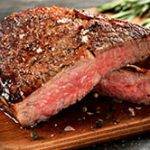
Set Temperature of Grill Too:
235℃ - 260℃
Cooking Times
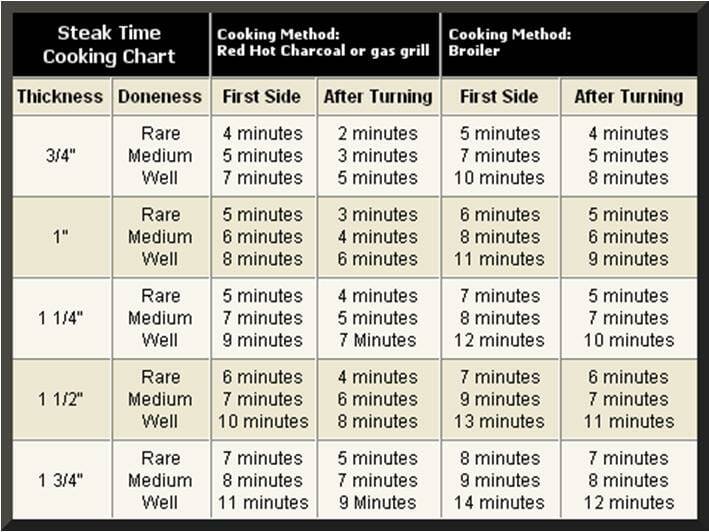
Cooking By Using a Meat Thermometer
Rare 60°C
Medium rare 60–65°C
Medium 65–70°C
Medium well done 70°C
Well done 75°C
By The Touch Test
Towards the end of cooking time, press the outside centre of your beef lightly with tongs or your clean pointer finger to judge its degree of doneness.
Soft = within the rare range
Springy = medium
Firmer = within the well done range
Ramsay's Top 10 Tips for Cooking the Perfect Steak
Cook The Perfect Steak For Every Temperature
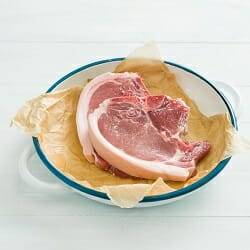 |
Start with a pork chop, rind removed that is approximately 2.5cm thick*. |
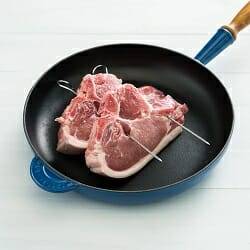 |
On a medium-high heat (204 – 232 ℃), without any oil, once the pan is hot, sear the outer edge of the chops for 3 minutes or until nice and golden. Use your tongs for one chop or for multiple, a pair of skewers can help keep them upright. |
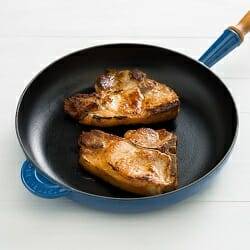 |
Cook the chop on one side for 6 minutes. Turn and cook for a further 2 minutes. Add a little bit of oil or butter after turning if you want to. |
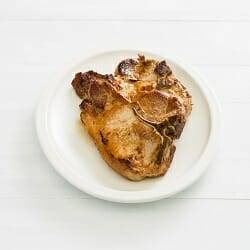 |
Set the pork aside on a plate and let it rest for a final 2 minutes before serving. |
Temperatures for Cooking.
Medium Rare 62℃
Medium 71℃
Medium Well 73℃
Well Done 76℃
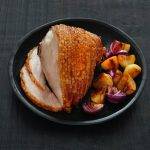
INGREDIENTS
1 Leg Pork
1 Lemon
2 Tbsp Olive Oil
1 Tbsp Sea Salt
METHOD
1 Preheat oven to 250°C.
2 Using a sharp knife, gently score the skin of the leg across in close parallel lines. Make sure you cut all the way through the skin to the meat.
3 Rub the entire leg with oil and lemon juice and then with the sea salt. Rub well into the scores as this not only seasons the meat, but helps draw out moisture, producing ‘crispy crackling’.
4 Place the roast in a large roasting pan. Cook uncovered for 30 minutes, then reduce the temperature to 180°C. Continue cooking for 25 minutes / 500g of weight, or 1½ hours.
5 Once the roast is done, remove from the oven and rest for 20 minutes before carving to serve.
How to rest a Roast or large Chunk of Meat.
How to cook and Peel Hard Boiled Eggs 2 Ways.
Achieving perfect chips, ones that are golden and crisp on the outside while being fluffy inside, is a two-stage process. It's best if you have a deep-fat fryer, but if you don't, you can use a large saucepan half-full of oil. You'll also need a digital thermometer.
First of all, heat up your oil to 130°C (266°F). Peel the potatoes, cut them into strips about 12 Millimetres (half an inch) on a side, rinse them thoroughly under cold water, and pat them dry. When the oil has reached the correct temperature, put the chips in and cook them for 5-10 minutes, until they are a bit soft but not browned.
Drain well and leave to cool. If you don't need your chips straight away, you can leave them in the fridge for a few hours before finishing them off.
Heat the oil to 160°C (320°F). Place the chips in the hot fat and fry them until they are golden brown - this should take about 5 minutes. Drain well and serve with malt vinegar and a sprinkle of salt.

Oven-Baked Sausages
For minimal fuss, you can also cook your sausages in the oven.
Simply place a metal rack onto a baking tray and lay out your sausages so that there’s space between each one to ensure they evenly colour.
Pop them into a preheated 180C oven for 25 minutes, turning them halfway through.
Slow Cooker Sausages
Add sausages to your favorite slow cooker meals, from stews and curries to soups and braises.
Best of all, these no-fuss meals can be thrown together in a large snap-lock bag and frozen for
up to three-months ahead of time. When you’d like to cook them, allow them to defrost overnight,
them pop the contents of the bag into your Slow-Cooker at the start of the day.
Braised Sausages
Add your sausages to a range of delicious sauces as a way of quickly jazzing up any snag.
Here you can opt for simple supermarket pork or beef sausages, or try a flavored sausage.
This is also a great option for using up leftover cooked sausages, as you can easily throw in slices of cold sausage to give them new life.
While there’s no need to precook your sausages, you may wish to remove the skins at the end of the dish.
Poaching
Poaching your sausage is a more common than you may think. There are two schools of thought here.
One way is to gently poach sausages in a small amount of water to cook them through before browning them in a pan or on the barbecue.
To do this, place sausages in a pan with about half a centimetre of water and bring it to the boil. Before the water boils away completely, turn the sausages to evenly cook them, then allow them to continue cooking in the pan to brown the skin. This makes for a nicely cooked sausage, but there’s no fat-reducing benefits to this method of poaching.
The second way to poach them is to submerge the sausage in a cold water bath over medium heat.
Hold it there for as long as it takes to bring the internal temperature of the sausage to 65.6C. Then sear the snags in a hot pan to brown the outside.
The danger here is that to get a good colour on the snags you risk overcooking the sausages in the pan as you do it. But I’m not a fan.
Frying
The main thing here is to avoid rapid cooking or a too-hot pan, which can lead to a burnt sausage with a raw centre or, worse still, exploding the sausage when the moisture in the snag turns to steam and bursts the skin.
The secret of frying is to cook the sausages slowly over a low to medium heat, until just cooked through, while getting a nice brown on the outside.
For a fat snag this may take up to 45 minutes.